


I’ve mentioned Entershine Bookshop’s Curious, Whimsical, No Rules, Anything Goes Because We All Love Books Book Club before. We met two days ago (as of this post), and talked about Brother. Do. You. Love. Me. – a difficult book which most people found to be worth the read.
I’m not sure I’ve talked about what a profound effect the book club has had on me as a writer. First let me say, because it’s important to the story here, that it’s the first book club I’ve ever joined, simply because it was the first one I came across that is openly open to men. For the record, I have no problem with book clubs that double as women-only get-togethers. In fact, I would say that’s a great thing! I am fully supportive and have no wish to intrude on that sacred space.
However, my lack of direct experience with book clubs means that I don’t have anything really to compare the Entershine Book Club to. I’ve heard from many in the group though that this book club is different from others. Nobody is afraid to speak their opinion, even if it is different than every single other person in the room. In fact, it’s encouraged! There isn’t any pressure to even finish the book. It’s a great group of people and the conversations are always deep, meaningful, and funny.
Being in this book club has also taught me a lot about the writing process from the reader’s perspective. It’s interesting: the pure readers often have a different take than the handful of writers in the group. I get to hear what connects with readers and what doesn’t. There are many takeaways for me including the need to have a story that’s engaging and entertaining at every step. I mean, this is one of the things mentors tell you. But to see it in action is like watching the river turn the mill wheel rather than simply knowing the connection between mill and flour.
Perhaps the most important thing I’ve learned is this: you never know what readers are going to like. I know, because I’ve tried. I finish a book club book and I think, “This and this and this person will love it. This person will hate it. This person will be bored…” and so on.
Except that I’m usually not right. Not even guessing for myself. For example, there are some books that by all rights, I should like. But I don’t. My opinion of a book has usually shifted and sometimes outright changed, based on the discussions with that group.
So, if I can’t tell what people are going to like as a reader, then how can I do it as a writer? How can I predict – and craft – a story guaranteed to please every reader?

Trick Question: How Do You Predict What a Reader Will Like?
The answer is: I can’t. I wouldn’t be able to write a book to please everyone in the book club, never mind the world.
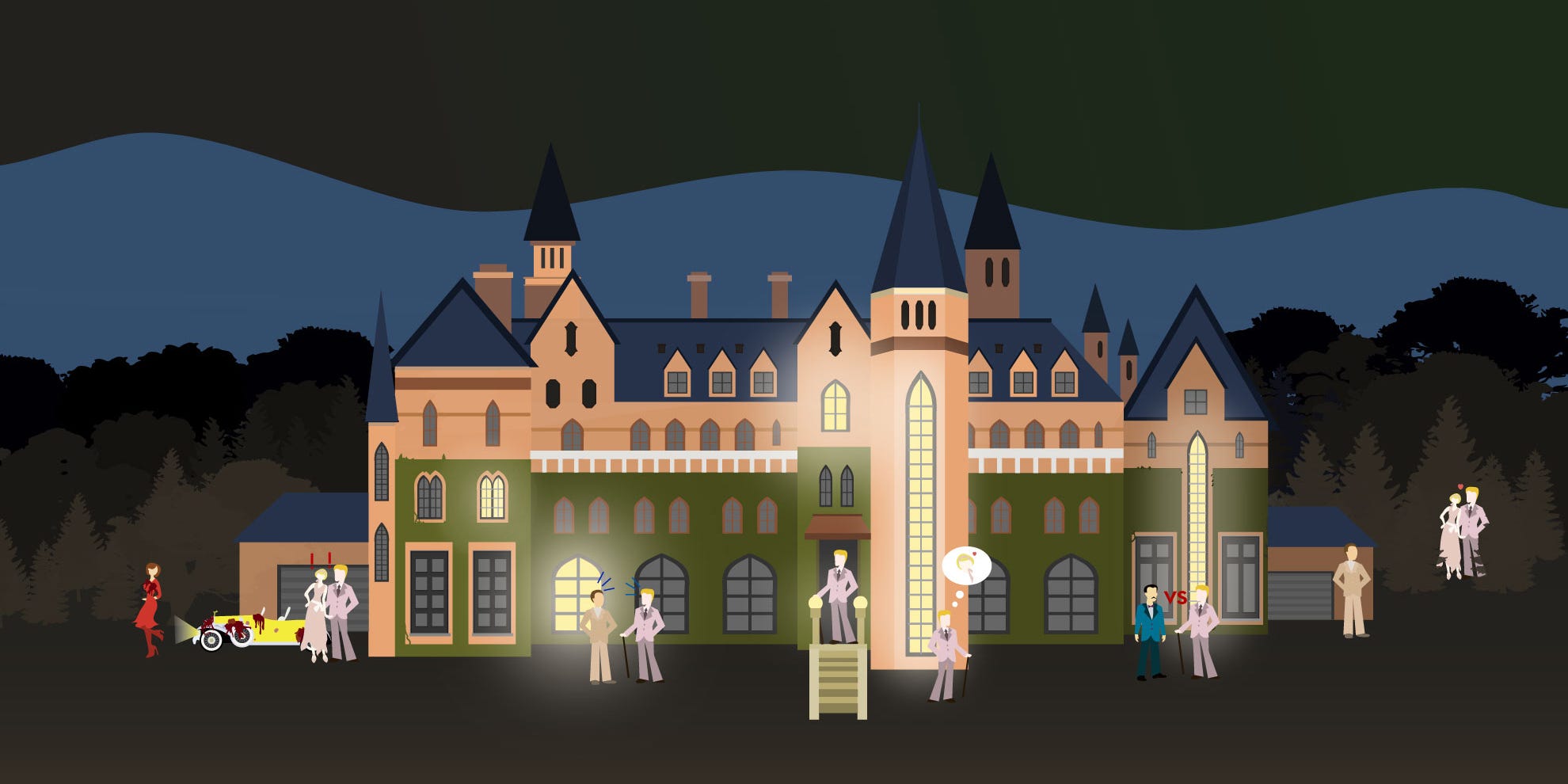
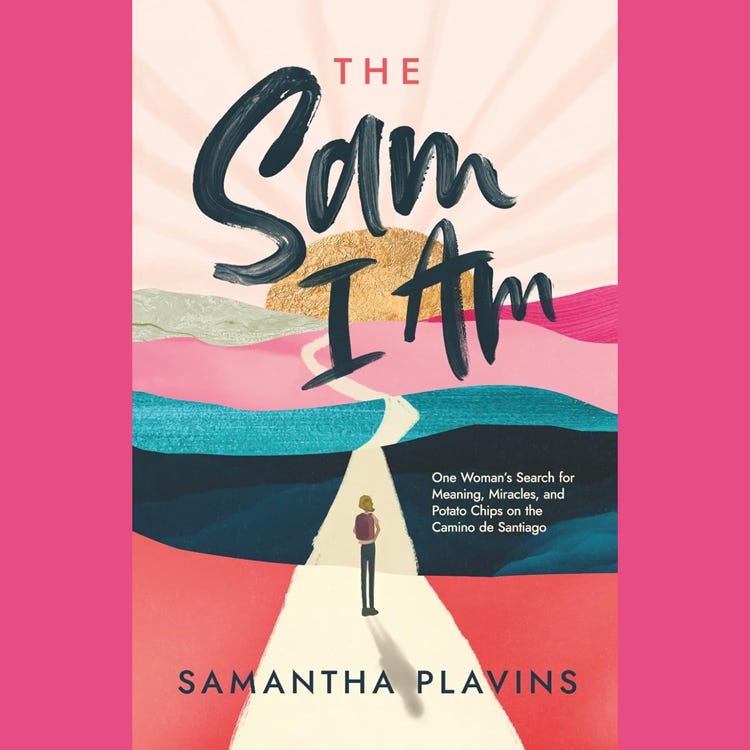
Another thought. I’m helping a friend, Sam Plavins, launch her first book later this week. We talked about who will like the book and who won’t. Once again, I used The Great Gatsby as the example. Some people think it’s the best book ever written. Others hate it. The same will happen to your book, so – for your own sanity, if nothing else – embrace the lovers and ignore the haters.
A good lesson on its own. But put these two thoughts together, and I think there’s an even more profound insight.
You can’t write for everyone – can’t even predict who might like it. And, there are going to be haters. So what do you do?
The answer is deliciously simple: write the book you want to read. Sure, you can aim vaguely at people who read romance or adventure or memoir or literary or sci-fi or whatever. In fact, it’s good to understand where your book fits in with others. But not all sci-fi readers will see your new worlds as far out; not all murder mystery lovers will love your whodunnit.
I suspect that seasoned writers like King and Atwood and Maas know what their readers want to a certain extent. But even within their readerships, their books will rank differently top to bottom with different readers.
The point is, they write for the reader, but they don’t try to predict who that reader will be so much. They write a book that is true to themselves, and trust that the right readers will connect with it.
That’s something we can all do – for our own sanity, if nothing else.

Over to You
Do you write for yourself? If not, who do you write for? Do you feel more pressure to “get it right” if you are writing for someone else! Let us know in the comments below, or drop me a line!
Until next time, keep writing with wild abandon!
~Graham

email me if you get lost.
I am meeting with a bookclub tomorrow...my first in decades. A former work colleague encouraged me to join & after a couple of years I agreed. The River is Waiting is our required reading. I did not enjoy the book, even tho Opra apparently loved it, and will be telling the club why tomorrow. Hope they won't banish me!!
If not banished, I'm considering asking them to review my own unpublished memoir, Just Call Me Irene. I had positive comments from several agents and publishers, however, still not published. I'd be interested to get reaction from the average reader. Thoughts?
As you know, I’m a member of several book clubs of different types and have been for many years. It’s fascinating to see what does and doesn’t connect with readers, and what process books do and don’t work for writers.
Another variable you mention is timing—life circumstances, cultural circumstances, and even the book I finished before this one can alter my opinion of a book.
My “book club for two,” which is just a decades-long friendship that started in a book club we belonged to, happens almost monthly over zoom. We find that we like similar books or authors but often for different reasons: “I don’t like that part but THIS element is amazing!”