


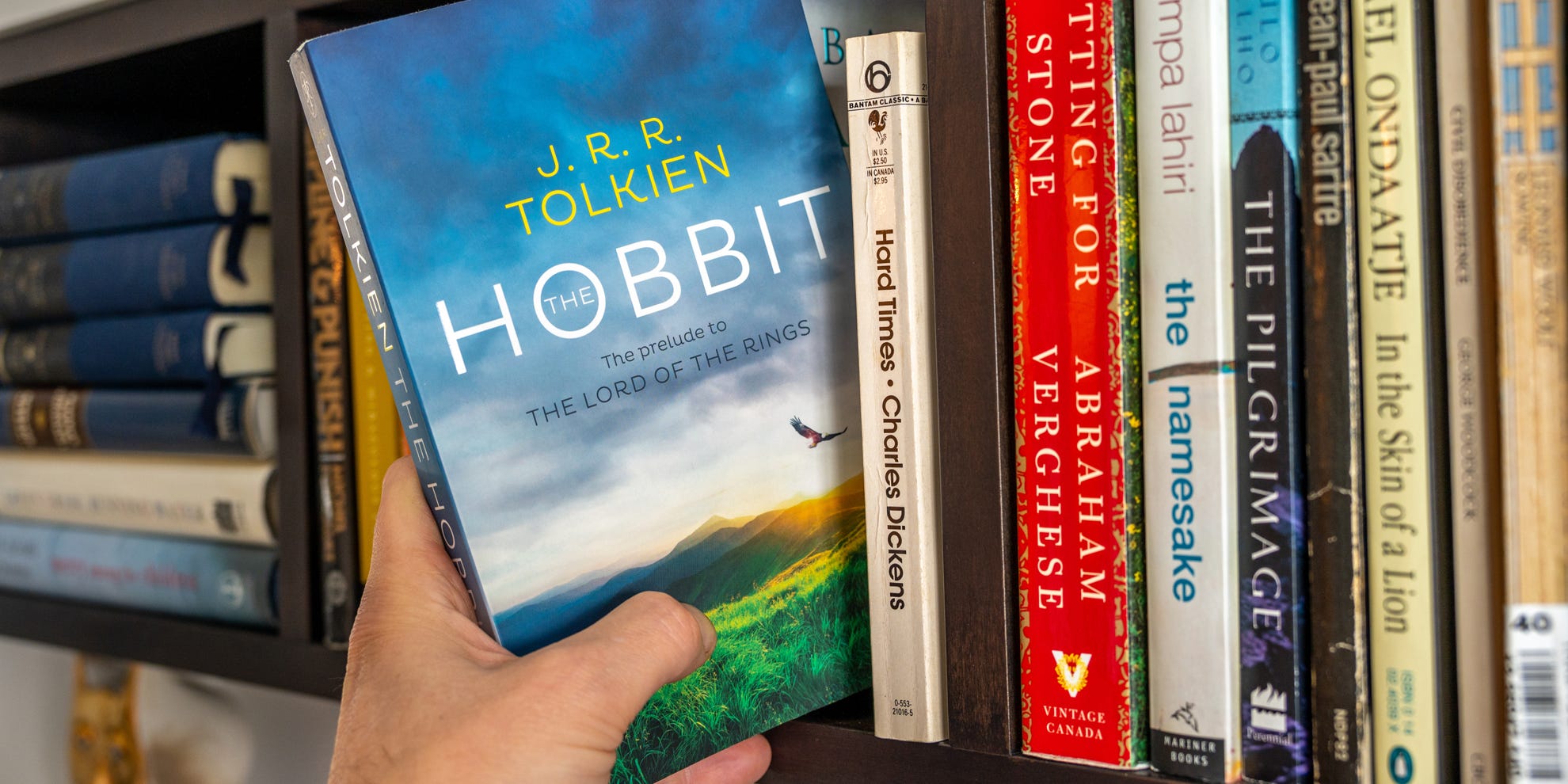
Do you ever hear a little tidbit of information that makes you say, “Wait a minute – that’s not true!”
Happens to me all the time. Sometimes, I’m even right. This story may or may not be one of those times.
As I was bopping between meetings yesterday, I caught a bit of The Next Chapter on CBC Radio in the car. For those of you who don’t know the program, it’s a half-hour radio show on all things literary with a definite Canadian bent. In the segment I heard, host Antonio Michael Downing talked with Canadian poet and critic Jason Guriel about why Guriel believes the “read widely” mantra (the host calls it a platitude) is not good for young/new writers.
They call the mantra “provocative” – and yet I wonder if their own views are not meant to be provocative as well?
I won’t provide a full transcript – you can listen to the conversation here starting at about 15:20 – but these lines are what I took to be the crux of Guriel’s argument:
“I was always falling down rabbit holes,” Jason Guriel said. “The advice of reading widely – I always bristled at it. ‘Like, no man, I’m into William Gibson right now! I don’t have time and stretch out to read something else.’ I’ve often felt that it’s not great advice for the young writer.”
I agree with much of what Guriel said on this show. Things like: “Your likes and dislikes are non-negotiable,” and “The most productive way to read is to fall in love.” I also don’t mind that he bristles at “read widely” as a statement – not that he needs my permission, but I do believe in each to his or her own.
However, I think applying these statements as arguments against reading widely misses the point.
For example, how do you know what your likes and dislikes are if you’ve only read, say, Harry Potter? What books are sitting out there, waiting for you to fall in love with them, that you’ll never get to because you’re reading is too narrow? How will you find new rabbit holes if you don’t chase new rabbits?
I think what made me decide to write this rebuttal was when I heard this statement:
“That instruction is a failure to make a judgement in a sense… Part of becoming a successful writer or an artist is developing a sense of taste.”
This is where the argument really veered off the road for me. What I want to talk about in this post is the fact that there is a difference between reading widely and blindly reading everything you set eyes upon…
Like What You’re Reading? Upgrade to Paid! Hit the Subscribe Button (even if you’re already a free subscriber).

Why I Believe “Read Widely” is a Good Idea
I will reiterate: I’m not trying to slam Guriel here. But I do have issues with the conclusions he comes to.
Let’s put aside for a moment the fact that all reading, regardless of quality or format, has multiple benefits. That means reading a comic book or even the back of a cereal box gives you many of the same benefits as reading a history book, a classic novel, or any other “good” writing.
I think what Guriel is trying to say is that you shouldn’t read different things just for the sake of reading different things. It sounds like he believes “reading widely” means that if you don’t like something, you should keep reading it anyway.
If so, I sort of agree with the first part, but definitely not the second. Reading widely to me means trying different styles and genres and authors. I think it’s especially important for writers to stretch and try new styles.
However, yeah, if you don’t like it, stop reading it.
As for taste, I think he might mean writing “sensibility” here instead. Taste to me implies there is good or bad writing – and sometimes there are moral judgements associated with the word “taste” (smut and maybe even genre writing, and so on).
I identify with some writers more closely than others. But even here, it’s not black and white. For example, I have read Hemingway and on the whole I do not like his writing sensibility. However, I do see benefits to his sparse, tip-of-the-iceberg style, and have tried to incorporate some of his style into my own writing.
Lastly, “read widely” isn’t what I’d call a rule, either. Or a motto, platitude, or mantra.
It’s a suggestion.
I happen to think it’s a good suggestion. The more widely you read, the more exposure you’ll have to different styles, tones, approaches, ideas. Could you write science fiction if you read only science fiction? Sure. But I don’t think it’s a coincidence that all the best writers (including sci-fi writers) have devoured a lot of different books from a lot of different authors.
I think that alone indicates that reading widely is an important part of every writer’s complete breakfast.
Over to You
What do you think? Is reading genres that you’re never going to write a waste of time? Should you read a particular book simply because some guru on the mountain says you should? Or do you believe that devouring all types of topics, genres, styles, and viewpoints can enhance your own writing? Let us know in the comments below!
Until next time, keep writing with wild abandon!
~Graham


email me if you get lost.
Any comment that starts with "you should read this" is likely to have the opposite effect. I find this boring: romance, cozies, chick lit domestic thrillers, shoot-them-ups, superhero fan fic, video game inspired stuff, literary navel gazing ... are there exceptions? Sure, but I won't immerse myself in a genre that makes me yawn. What's the point? Too much to read, too little time. I grew up reading everything I bumped into. I figured out what I liked. It hasn't changed.