

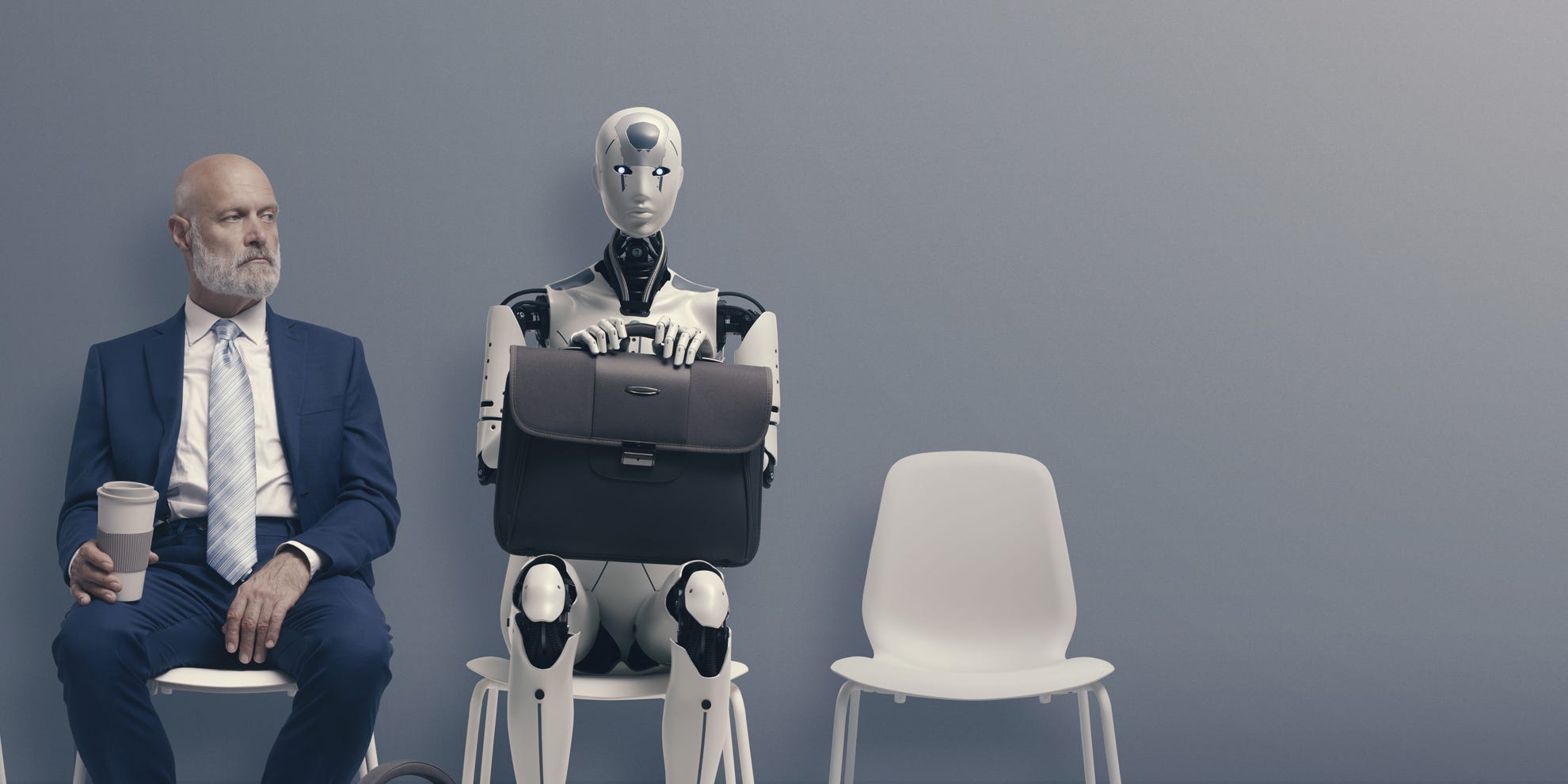

It’s happening.
I think few will contest that AI is here to stay. For writers – especially professional writers – the choice is adapt or die. We can rail and rant and scream like Lear on the moors, but we can’t stay blind to the truth. And, there’s no Cordelia to save us; only Claude.
I can tell you unequivocally that I have lost business to AI. Because of this, I’m in a middle of a complete rebrand of my day job – part of the reason why I put my novel on the backburner for a moment. Because you see, AI can’t do everything that we can. It can maybe “write” (somewhat poorly, is the consensus). It can crunch data, but it can’t do research in the human sense – it has to be told what to look for. It can’t strategize. It can’t decide what to write. And, crucially, AI can’t tell the human story.
You and I can.
To literally add insult to injury, writers are being told by editors and clients and even readers that their writing “didn’t pass the AI test”. Which, bee-tee-dubs, is run by the same fallible AI. I’ve read posts on Reddit about the frustration of being rejected on suspicion of AI, even when it was never used. Then there is the popular case right now of Shy Girl, the novel being pulled from UK shelves – the first book, as the New York Times describes it, to be “pulled over evidence of AI use”.
The author claims she never did, but her editor may have…
For the record, I believe her. AI is full of hidden landmines for us to navigate, guided by hope alone. For example, is it okay for us to use AI to bat around ideas? Create an outline for us? Write – or edit – even one sentence? Spellcheck?
The mind boggles wordles.

How to Thwart the AI Check (Maybe)
Make up words. I verbize nouns all the time, but maybe not as much as a nounify verbs. A word of warning: reader tolerance varies on this, especially in formal writing. I’ve never let that stop me from trying, though.
Make spelling mistakes. Those of you who know me IRL can see me cringing as I type that sentence. For me though, it’s easy when I write in Canadian English. AI (surprise, surprise) only writes in US English as far as I’ve seen.
Use spaces in your em-dashes… and use en-dashes instead. Apparently, the use of em-dashes is one of the “tell-tale” signs of AI writing. I’ve always used en-dashes with spaces on either side. I’m not convinced the average person scrutinizing your work will tell the difference, but it won’t hurt.
Write incomplete sentences. Like this one. It’s another thing that AI tends not to do.
Vary sentence length. From what I understand, AI likes nice, neat, averaged sentences. Screw that. Write long. Short. Something that lands in-between. (It’s a good writing tip in general, anyway.)
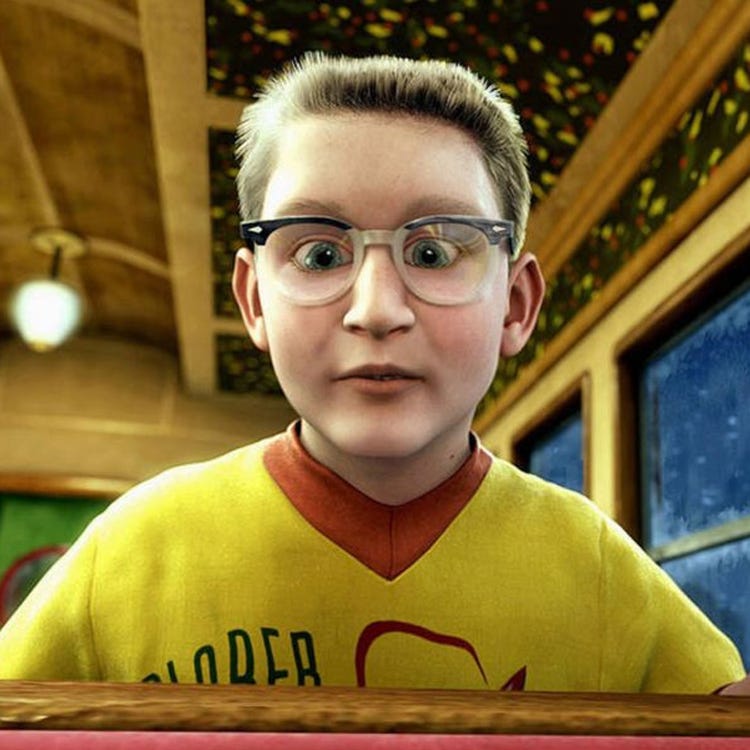
Have a voice. I was talking with a group of writers last night (as I write this) about how flat and bland AI’s voice is. It also borders in that uncanny valley, a term usually used for off-putting AI-generated images of humans (like in The Polar Express). Reading AI-generated words gives me a mild version of that aversion. Finding your voice is a perennial discussion, but worth doing now more than ever.
Add random words in other languages that people will still understand. For example, French can give your writing a certain je ne sais quoi.
Add personal insights and anecdotes. AI doesn’t have a life. Therefore, AI can’t draw on life. Sprinkle in tidbits from your own world, like the fact that you watched Survivor last night or that you were remembering the best cappuccino you ever had in that little café on the square that overlooks the Eiffel Tower…
Add specific details. Like remembering the best cappuccino you ever had in that little café on the square that overlooks the Eiffel Tower…
Add repetition that serves a purpose. Like remembering the best cappuccino you ever had in that little café on the square that overlooks the Eiffel Tower…
Create new twists on old clichés. “The mind
boggleswordles.” may not be the best example out there. But you see where I’m going with it. AI is not creative enough to think up even my lamest jokes.Here’s a bonus tip: keep all your drafts. This isn’t my idea, but I love it. If someone (client, editor, etc.) unjustly accuses you of using AI, sending Drafts 1 through whatever to show how the document progressed may help your case.
To paraphrase George Carlin, never underestimate the power of stupid AI – or the people who rely too much on it. Follow all of these points, and I still can’t personally guarantee your words (or mine) won’t be flagged. Some might also believe it’s unfair that we’re forced to resort to this. It changes our writing, and not always for the good. To that I say: yes, I agree. But also, Lear and moors and blindness.
I’ll leave you with one last thought. When all else fails, fall back on righteous indignation. It’s another thing going all the way back to Siri that AI can’t pull off convincingly.

Over to You: Have You Ever Been Accused of Using AI?
Let us know in the comments below! I’m also interested to hear your hot take on this cold, cold subject. What’s your relationship with AI in your writing life?
Until next time, keep writing with wild abandon!
~Graham

email me if you get lost.
I'm not going to feed my stuff to AI so it can tell me if AI wrote it or me. That seems self defeating... also, now the damn thing has my writing to chew on. Won't do it! I already tend to use too many fragments, so I guess I'm OK. Screw the thing about em-dashes. I finally figured how to get them on my Mac and I'm not going to unlearn that, it was too painful to begin with. As to typos... aargh... typos give me heartburn. I won't let them slip by (to the best of my knowledge). Nobody will say I'm sloppy even if that makes me machine-adjacent. In summary, give me a Luddite badge: I'll keep the robots away with a pitchfork.
A bit off topic, but...I was talking to my brother (who teaches people how to use AI to work more productively) about the ethics of using AI to write. He feels some guilt around using it to write his presentations - like it's stealing from the writers whose work has been scraped - although that won't stop him from using it.
My take (and maybe a bit more on-topic) is that my writing is a personal connection to my readers, I've worked hard to find my voice, and even if I used AI to replicate my voice, I would view it as a betrayal to my relationship to my readers.
Maybe this is just a roundabout way of saying, "develop your voice and trust it." And of course, your voice when working for clients will be different (and more AI-able) than in your own work.